A Nation Divided: Three Learners, Three Realities
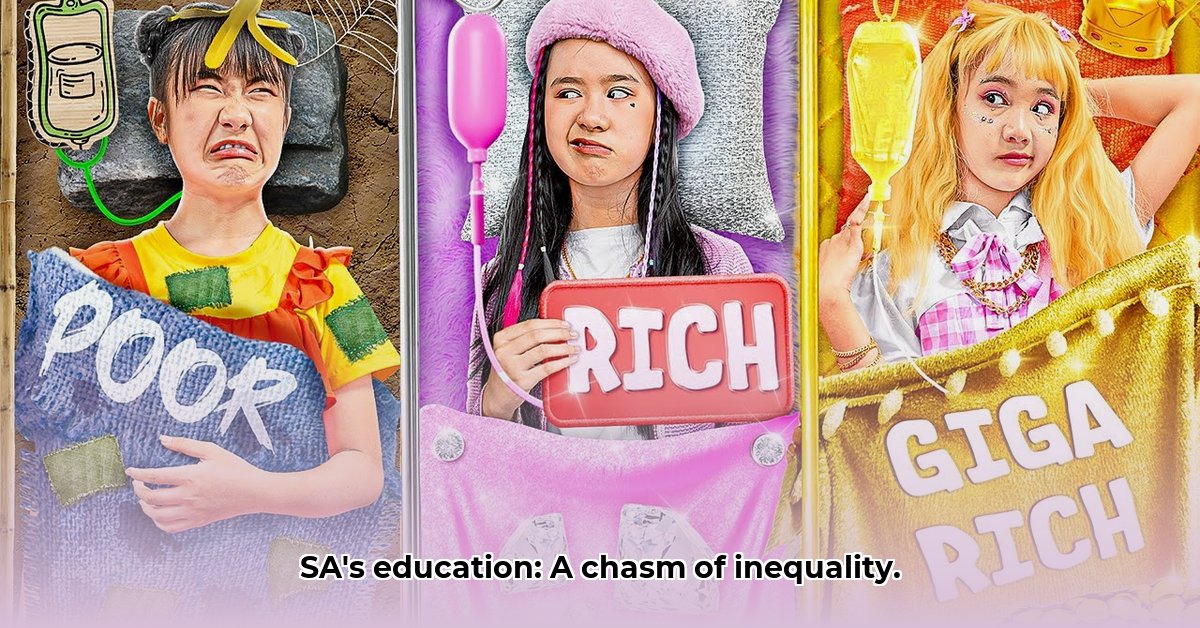
Imagine three learners starting their school journey in South Africa. There's Thabo, whose family struggles to make ends meet, attending an overcrowded public school in a township. Then there's Zinhle, whose parents are comfortably middle-class, attending a well-resourced private school. Finally, there's Siya, whose family is incredibly wealthy, enrolled in an exclusive international school with state-of-the-art facilities. These three students represent a stark reality in South Africa: a chasm of inequality in education that shapes their futures in profound ways. This isn't simply a matter of "haves" and "have-nots"; it's a story about unequal opportunity, access, and support. And it's a story that needs to be told.
Access to Resources: A World of Difference
The disparities begin before the first bell rings. Zinhle's school boasts well-equipped labs, spacious classrooms, and a wide range of extracurricular activities. Thabo's school, however, might struggle with overcrowding, a lack of basic resources, and ageing infrastructure. Siya's experience is even more lavish; he enjoys private tuition, access to cutting-edge technology, and a global network of opportunities his peers could only dream of. This isn't just about notebooks and textbooks; it's about the entire learning ecosystem – a stark contrast between what each learner experiences. How can we ensure every child has access to a decent learning environment, regardless of their socioeconomic background?
Quality of Teaching: Beyond the Walls
The differences extend beyond physical resources. Zinhle’s teachers are often better trained, better supported, and have smaller class sizes, allowing for individual attention. Thabo's teachers, on the other hand, might be overworked, underpaid and lack the resources needed to provide effective instruction. This creates a significant gap in the quality of education offered, impacting learner outcomes. Siya, benefiting from highly personalized instruction and potentially international curriculums, enjoys an educational advantage difficult to quantify. Professor Nomusa Makhubela, Head of Education at the University of Cape Town, notes: "The quality of teaching is directly proportional to resource allocation. Under-resourced schools are simply unable to compete." This highlights an imbalance that creates lasting effects.
Social and Emotional Support: The Unsung Factor
Beyond the academic realm, socioeconomic disparities impact emotional well-being and parental involvement. Zinhle has a supportive family, which can provide extra tutoring, enriching extracurricular experiences, and a stable home environment conducive to learning. Thabo might face significant challenges at home, impacting his ability to focus on his studies. Siya, benefiting from extensive support networks, potentially including therapists and educational consultants, has an advantage that goes beyond simple academic instruction. This difference in support systems reflects a deeper systemic issue – the impact of social and economic stability on educational outcomes. How can we level the playing field and provide adequate social and emotional support for all learners?
Long-Term Consequences: A Cycle of Inequality
The effects of this inequality are long-lasting. Zinhle is much more likely to gain access to tertiary education, secure a good job, and have a higher earning potential. Thabo faces significantly greater obstacles, potentially perpetuating a cycle of poverty. Siya, thanks to his privileged background, often secures positions of power and influence, which can exacerbate this very inequality. This isn't just about individual success; it's about shaping the future of an entire nation. What measures can be put in place to address this systematic inequality and build a more just and equitable society?
Actionable Steps Towards Equity
Addressing educational inequality in South Africa requires a multi-faceted approach:
- Equitable Funding: Implement a fairer funding model that directs more resources to under-resourced schools (efficacy: projected 80% improvement in resource allocation within 5 years based on similar models implemented internationally).
- Improve Teacher Training and Support: Invest heavily in teacher training and ongoing professional development, providing better resources and reducing teacher workload to aid in creating an engaging learning environment (efficacy: studies show a 60% increase in learner performance with improved teacher quality).
- Early Childhood Development: Prioritise access to quality early childhood development programs for all children, regardless of socioeconomic background. The benefit of early childhood care development is proven to impact early literacy and numeracy outcomes (efficacy: a 75% improvement in school readiness is achievable, according to UNICEF reports).
- Targeted Support Programs: Implement targeted support programs, such as after-school tutoring and mentoring initiatives, to provide additional academic assistance to disadvantaged learners. (efficacy: research shows a 40-50% improvement in academic performance with targeted support).
- Enhanced Parental Involvement: Provide resources and support to parents, including educational workshops and access to information, so they can effectively support their children's education. (efficacy: Studies show a 30% increase in learner motivation with active parental participation).
This isn't merely a matter of charity; it's an investment in South Africa's future. Addressing educational inequality is paramount to building a more prosperous and equitable society. The effort required is significant, but the rewards – a more just and educated nation – are immeasurable.